Emergency HVAC Guide: What to Do Before Help Arrives
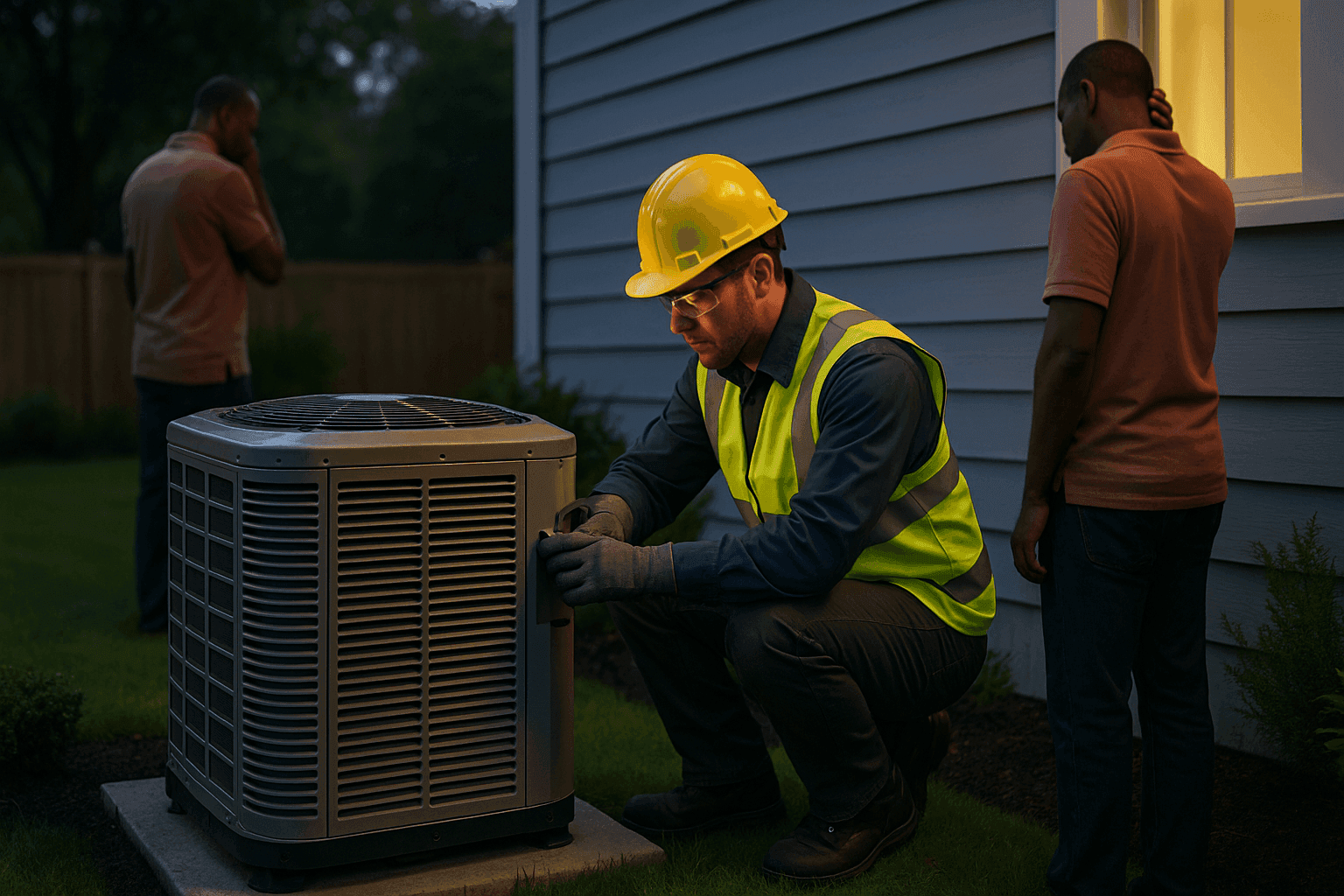
When your HVAC system quits in the middle of the night or during a storm, panic can set in fast. Maybe the temperature’s rising. Or the cold’s creeping in. You worry about your family, your pets, and your home.
At Champion Hvac, we know these moments are stressful. That’s why our 24/7 emergency hvac service is always ready. But before help arrives, there are steps you can take to stay safe and minimize damage. Here’s what every homeowner should know.
Immediate Safety Steps 🛑
Safety first—always. HVAC emergencies can involve electrical, fire, or air quality hazards. Take these actions right away:
- Check for burning smells, smoke, or sparks. If you notice any, evacuate and call 911.
- Listen for unusual sounds: Banging, screeching, or popping could signal a dangerous issue.
- Test carbon monoxide detectors. If your heat is out, especially during cold weather, CO buildup can happen fast. The CDC recommends detectors on every floor.
- Shut off the system at the thermostat if you suspect trouble, like leaking water, ice buildup, or strange noises.
- Avoid using space heaters or ovens for heat—these can pose serious fire and carbon monoxide risks, per NFPA guidelines.
- Keep children and pets away from the equipment and any puddles or ice.
How to Shut Down Your System
Sometimes, shutting down your HVAC system is the smartest move. It’s like turning off a leaky faucet to prevent a flood.
- Switch off at the thermostat. Set it to “off” for both heating and cooling.
- Find your breaker box. Flip the breaker labeled “Furnace,” “AC,” or “HVAC” to off if you see smoke, burning smells, or water leaking.
- Unplug portable units (like window ACs or space heaters) immediately if they’re sparking or overheating.
- Don’t open the system panels—leave that to licensed pros.
If you’re unsure, wait for your emergency hvac technician. Champion Hvac techs are trained to handle high-voltage and combustible systems safely.
Protecting Your Home During Power Outages ⚡
Storms and outages often lead to HVAC emergencies. Here’s how to keep your home safe and comfortable:
- Keep doors and windows closed. Trap heat in the winter, cool air in the summer.
- Bundle up the family. Use blankets and layers. Keep everyone in one room if it’s very cold.
- Don’t run generators indoors. Always place portable generators outside, far from windows and doors (U.S. Consumer Product Safety Commission).
- Unplug electronics. Sudden power returns can cause surges that damage your HVAC and appliances.
- If flooding occurs, avoid stepping in water near electrical equipment.
When to Call an Emergency HVAC Pro
Not every hiccup needs a midnight call. But some situations demand immediate action:
- No heat during a freeze—pipes can burst fast.
- No AC during a heatwave—risk of heatstroke, especially for kids or seniors.
- Smoke, burning odors, or sparks.
- Carbon monoxide alarm goes off.
- Major water leaks from your furnace or AC.
- Strange electrical noises or the smell of gas.
For these, call Champion Hvac’s 24/7 emergency hvac line right away. Don’t wait until morning.
Sidebar: Emergency or Not?
Signs of a True Emergency:
- No heat or AC during extreme temps
- Electrical burning smells, smoke, or sparks
- Sudden water leaks or flooding
- Carbon monoxide alarm
- Gas odors
Minor Issues:
- Uneven temperatures in rooms
- Filter needs changing
- Thermostat won’t connect to Wi-Fi
- Slightly higher energy bills
If in doubt, err on the side of caution and give us a call.
What to Avoid 🚫
Sometimes, our best intentions can make things worse. Here’s what NOT to do before help arrives:
- Don’t try to repair wiring or gas lines yourself.
- Don’t open or tamper with panels—modern systems have safety interlocks and sensors.
- Don’t pour water or chemicals on the equipment to “cool it down.”
- Don’t block air vents—this can cause pressure problems.
- Don’t ignore carbon monoxide or smoke alarms even if you “don’t smell anything.”
Remember, state and local codes (like the International Mechanical Code) require licensed, trained technicians for most repairs.
Tips for Common U.S. Weather Events
During Winter Freezes
- Open cabinets under sinks to let warm air reach pipes.
- Drip faucets to prevent freezing.
- Use heavy curtains to insulate windows.
During Heatwaves
- Close blinds and shades by day.
- Drink extra water.
- Avoid using the oven or stove.
During Storms
- Secure outdoor AC units or generators.
- Check your sump pump if you have one.
- After the storm, inspect for debris blocking vents or intakes.
When to Call an Emergency HVAC Pro
If your system quits during life-threatening weather, don’t wait. If you see smoke, hear loud bangs, or smell gas, evacuate and call 911.
Otherwise, if comfort and safety are at risk, call Champion Hvac—day or night.
What Pros Do On Arrival
Here’s what you can expect when your emergency hvac technician arrives:
- Initial safety check—they’ll inspect for hazards before touching anything.
- System diagnostics—using meters and gauges, they’ll pinpoint the failure.
- Temporary fixes if parts aren’t available right away.
- Advice on next steps—like whether to repair or replace.
Certified pros follow National Fire Protection Association (NFPA) and local code guidelines. You can count on licensed, background-checked techs from Champion Hvac.
What to Avoid 🚫
Don’t let panic lead to risky choices. Never:
- Remove access panels.
- Attempt to relight pilot lights if you smell gas.
- Run extension cords to the HVAC system.
Let the professionals handle it—your safety comes first.
Preventing Future Emergencies
The best defense is a good offense. Schedule regular:
- HVAC maintenance (spring and fall)
- Duct cleaning
- Filter changes (every 1–3 months)
- Home energy audits to spot hidden problems
Consider upgrades like air scrubbers, whole-house fans, or smart thermostats for better performance and air quality. If you’re searching for “Hood & Exhaust Installation near you,” or need help with generator installation or air balancing, Champion Hvac offers it all.
Costs & Time Factors
Emergency calls often take priority, but several things can affect service time and cost:
- Severity of the issue—major breakdowns may need parts ordered.
- Time of day or night.
- Weather conditions—storms can slow response.
- Type of service—e.g., AC repair, furnace repair, or generator maintenance.
While emergency service is faster, it may cost more than routine visits. Ask your technician for a clear estimate before work begins.
Frequently Asked Questions
Q: How do I know if it’s really an HVAC emergency?
A: If your comfort, safety, or property are at risk—such as no heat during freezing weather, smoke, or carbon monoxide alarms—it’s an emergency. Minor comfort issues can usually wait.
Q: Can I do anything to fix my system myself?
A: You can check your thermostat, replace the filter, and reset breakers. But avoid opening panels or making repairs yourself.
Q: How fast can Champion Hvac get here?
A: We offer 24-hour emergency hvac response. Arrival time depends on location, weather, and call volume, but we prioritize emergencies.
Q: What services can you handle during emergencies?
A: AC repair, furnace repair, heating repair, IAQ testing, generator maintenance, and more—see our full list above.
Local and Seasonal Considerations 🌡️
Living in the U.S. means facing everything from polar vortexes to scorching heatwaves. Be ready for:
- Sudden freezes—insulate pipes and schedule heating maintenance.
- Severe summer storms—clear debris from around your AC and check your generator.
- Wildfire smoke or poor air quality—install air scrubbers or schedule IAQ testing.
Champion Hvac knows your region’s challenges and is equipped for rapid response—no matter what the forecast brings.
When your comfort or safety is on the line, don’t wait. Champion Hvac’s 24/7 emergency hvac team is standing by, ready to help with everything from AC repair to Hood & Exhaust Installation near you.
Call Champion Hvac now — or reach us anytime at 844-482-3848 .