Furnace Repair or Replacement? How to Decide and Save
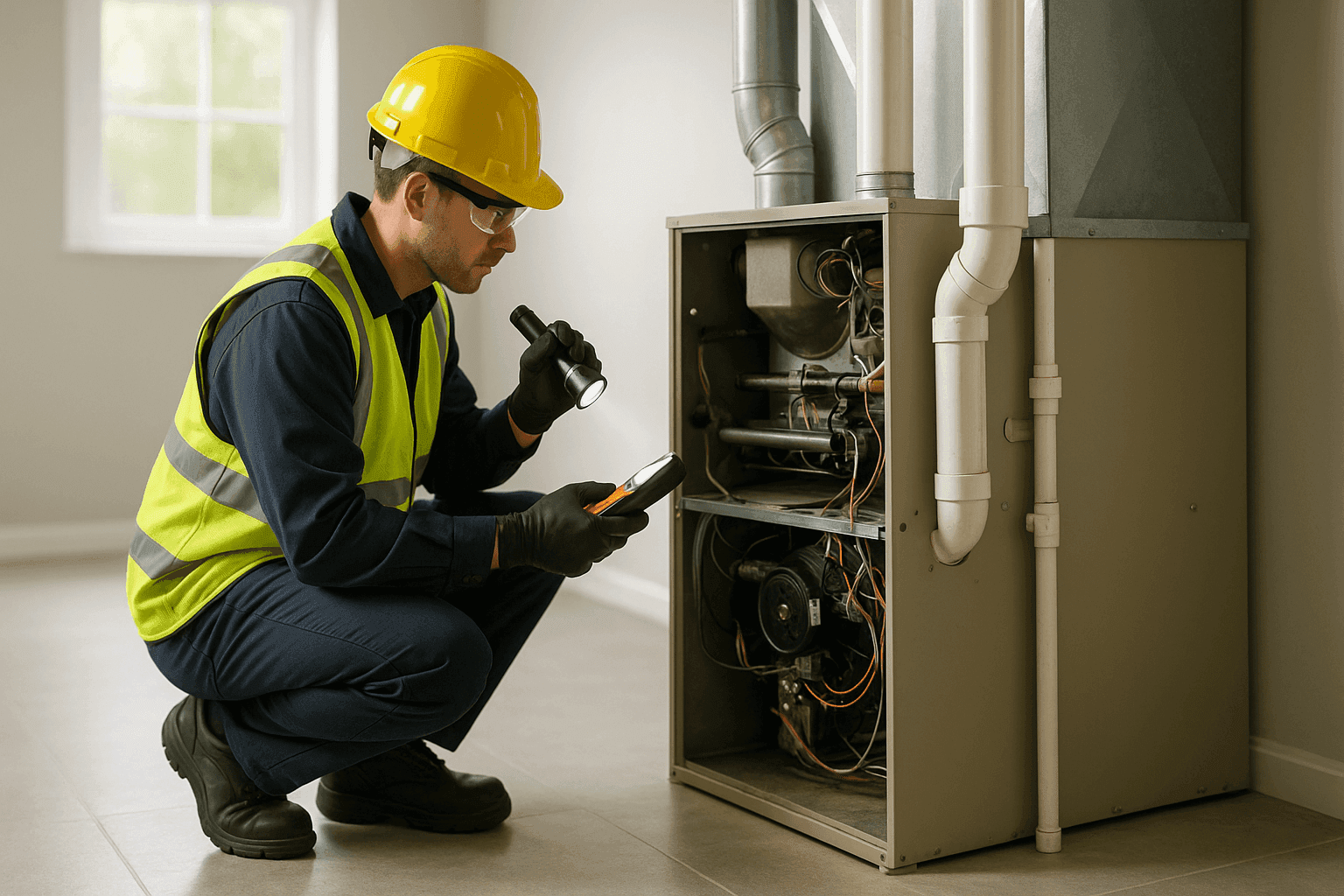
Feeling a chill—or worse, hearing a strange sound—when your furnace kicks on? You’re not alone. Every winter, homeowners face the same fork in the road: patch up the old furnace, or invest in a replacement.
When your comfort (and safety) is on the line, it’s not just about dollars and cents. Champion Hvac has helped thousands of families with emergency hvac services, furnace repairs, and smart upgrades. We understand what’s at stake, and we’re here to help you make the call with confidence.
Signs Your Furnace Needs Repair 🔧
A furnace can be like an old car; it usually gives you hints before breaking down for good. Here’s what to watch for:
- Unusual noises: Banging, rattling, or whining could mean worn parts or loose components.
- Odd smells: A musty odor might signal mold in ductwork, while a sharp or metallic scent could mean trouble. If you ever smell gas, evacuate and call for emergency hvac help immediately.
- Inconsistent heating: Cold spots in your home or the furnace struggling to keep up are red flags.
- Short cycling: If your furnace turns on and off frequently instead of running smooth and steady, something’s off.
- Rising energy bills: Sudden spikes often mean your system is working overtime due to a hidden issue.
- Yellow pilot light: A healthy pilot should burn blue. Yellow can signal a combustion problem—potentially dangerous.
Common Problems
- Failing blower motors
- Cracked heat exchangers (a serious safety hazard)
- Thermostat malfunctions
- Clogged filters or ducts
- Ignition or pilot control issues
According to the U.S. Department of Energy, most furnaces last 15–20 years with proper care. If yours is in that age range and showing its age, repair might only buy you a little time.
When Replacement Makes Sense 🏠
No one wants to replace a furnace before it’s truly necessary. But sometimes, it’s the smarter move.
Red Flags for Replacement
- Frequent breakdowns: More than two major repairs in a season? That’s a pattern.
- Costly repairs: If a repair is more than one-third the price of a new furnace, replacement usually wins.
- Old age: Over 15 years old—especially with original parts? Consider replacement, as newer models are much more efficient.
- Safety issues: Cracked heat exchanger, repeated carbon monoxide warnings, or persistent gas leaks mean the system is unsafe.
- Home upgrades: Major renovations, new insulation, or adding square footage can mean your old furnace is now undersized.
Think of it like patching a sagging roof. A quick fix might hold for a season, but a real solution gives peace of mind for years.
Repair vs. Replacement Costs
Let’s break it down with a simple worksheet:
Repair Costs
- Minor fixes (filters, igniter, thermostat): Lower cost, quick turnaround.
- Major parts (blower motor, circuit board): Higher cost, but still less than replacement.
- Safety-related fixes: May tip the scale toward replacement.
Replacement Costs
- Upfront investment: Higher initially, but often offset by:
- Lower utility bills (thanks to high-efficiency models)
- Fewer emergency hvac calls
- Rebates or tax credits (varies by region—check Energy Star and your local utility for details)
Worksheet: Should I Repair or Replace?
- How old is your furnace? (___ years)
- How much was your last repair? ($___)
- Estimated cost of current repair? ($___)
- Estimated cost to replace? ($___)
- Add up the last two years’ repairs. If this is over 50% of replacement cost, replacement is the safer bet.
Hidden Costs to Watch For
- Out-of-date ductwork may need upgrading for a new furnace.
- Home Energy Audits can reveal if your comfort issues are really insulation or air sealing problems.
- Don’t forget electrical work, especially if you’re switching fuel types or considering generator installation for backup.
Energy Efficiency and Rebates
A new furnace isn’t just a shiny box—it’s a ticket to lower bills and cleaner air. Look for features like:
- High AFUE ratings (Annual Fuel Utilization Efficiency): Modern units can reach 98%, compared to 60–70% for some old furnaces.
- Smart thermostats: Tighter control means less waste.
- Better filtration: New systems can work with HEPA filters, air scrubbers, humidifiers, and dehumidifiers to improve indoor air quality.
Rebates and Incentives
Utility companies and government programs often offer rebates for high-efficiency upgrades. Homeowners may also qualify for federal tax credits—check the IRS website and Energy Star for details.
For maximum savings, combine a new furnace with duct cleaning, whole-house fans, or home energy audits. Champion Hvac can also help you explore options like geothermal or radiant heating for ultimate comfort.
How to Choose a Trusted HVAC Provider 🤝
Your furnace keeps your family safe and warm. Don’t leave repairs or replacements to chance. Here’s what to look for:
- 24/7 emergency hvac service: Problems don’t wait for business hours.
- Licensed, insured technicians: Required by law in most states.
- Transparent estimates: No guesswork, no hidden fees.
- Experience with your system: From mini-splits to geothermal, a real pro knows them all.
- References and reviews: Ask for real stories, not just stats.
Champion Hvac stands ready for everything from emergency repairs to Hood & Exhaust Installation near you. Our team handles duct cleaning, IAQ testing, generator maintenance, and more—with the same care we’d give our own homes.
Average Furnace Lifespan and Common Scenarios
Most furnaces last 15–20 years, according to the U.S. Department of Energy. But age is just one factor. Here’s how it plays out for real homeowners:
- The 12-year-old Workhorse: Needs its first serious repair. If the fix is minor, keep it running. But start budgeting for a new system.
- The 20-year-old Veteran: Needs a new heat exchanger—an expensive, safety-critical part. This is when replacement almost always makes sense.
- The “Cold Room” Mystery: Sometimes, uneven heating is caused by poor air balancing, leaky ducts, or clogged filters—not the furnace itself. An energy audit or duct cleaning can solve comfort issues for less.
Warning Sounds and Smells: What’s an Emergency?
Your nose and ears are powerful tools. If you notice...
- Burning electrical smells: Shut off the furnace and call for help.
- Gas odor: Leave your home and contact emergency hvac services and your gas utility.
- Loud banging or screeching: May signal imminent failure—don’t ignore it.
- Continuous clicking: Points to ignition or electrical issues, not safe to DIY.
When in doubt, err on the side of caution.
DIY vs. Call a Pro
Some furnace issues are safe to troubleshoot:
- Change filters regularly (every 1–3 months).
- Check thermostat batteries and settings.
- Make sure registers and vents aren’t blocked.
But leave these to the professionals:
- Electrical repairs
- Gas line work
- Heat exchanger inspections
- Duct and vent cleaning (especially after renovations or pest infestations)
The National Fire Protection Association recommends annual professional maintenance for all fuel-burning appliances. It’s not just about comfort—it’s about safety.
What Pros Do On Arrival
When Champion Hvac shows up, here’s what to expect:
- A full safety check (including carbon monoxide testing)
- Inspection of all major components: heat exchanger, blower, ignition system, filters, and ductwork
- Diagnostic testing for airflow, thermostat function, and efficiency
- Clear, honest explanation of what’s wrong—and what it will take to fix or replace
We’ll never push a new system if a repair makes sense. And we’ll always prioritize your safety and budget.
Prevention & Maintenance: Your Best Investment
An ounce of prevention saves a pound of trouble. Here’s how to get the most from your system:
- Schedule annual maintenance: Catch small issues before they become emergencies.
- Keep filters clean: Dirty filters make your furnace work harder.
- Seal ducts and insulate: Keeps heat where it belongs.
- Upgrade thermostats: Smart models fine-tune comfort and avoid waste.
- Don’t forget ventilation: Good airflow prevents mold and keeps air fresh.
- Consider IAQ testing: Especially if you have allergies, pets, or recent renovations.
Costs & Time Factors
Every situation is unique, but here’s what most homeowners can expect:
- Basic repairs: Often completed the same day, less expensive.
- Major repairs or parts replacements: 1–3 days, cost increases with complexity.
- Full replacement: Typically 1–2 days, with additional time for duct or electrical work if needed.
Time of year matters, too. Emergency hvac calls surge during cold snaps—so don’t wait for a breakdown to schedule maintenance.
When It’s an Emergency
If you notice any of these, call Champion Hvac immediately:
- Gas leaks or strong odors
- Loss of heat during extreme cold (especially with infants, elderly, or medically vulnerable in the home)
- Carbon monoxide alarms
- Electrical burning smells or visible sparks
Emergency hvac isn’t just about comfort—it’s about protecting your family and your home.
FAQ
How long does a furnace repair take?
Most repairs take a few hours. If parts are needed, it could extend to 1–2 days.
Can I install a new furnace myself?
For safety and code compliance, always use a licensed pro. DIY can void warranties and pose serious risks.
What’s the most common cause of furnace breakdowns?
Dirty filters, lack of maintenance, and aging components. Annual checkups catch these early.
Can a new furnace lower my energy bills?
Yes! High-efficiency models can save 20–40% compared to older units, according to Energy Star.
Local & Seasonal Considerations
If you live in an area with harsh winters or unpredictable weather, reliable heat isn’t just comfort—it’s survival. Schedule maintenance before the first cold snap. And consider generator installation or maintenance for power outages.
Champion Hvac is always ready for your emergency hvac needs, from heating repair to Hood & Exhaust Installation near you.
Thinking it’s time for a repair or a whole new furnace? We’re here to help you weigh your options, save money, and stay safe—all year long.
Call Champion Hvac now — or reach us anytime at 844-482-3848 .