AC Repair Troubleshooting: Top 7 Problems & Fixes
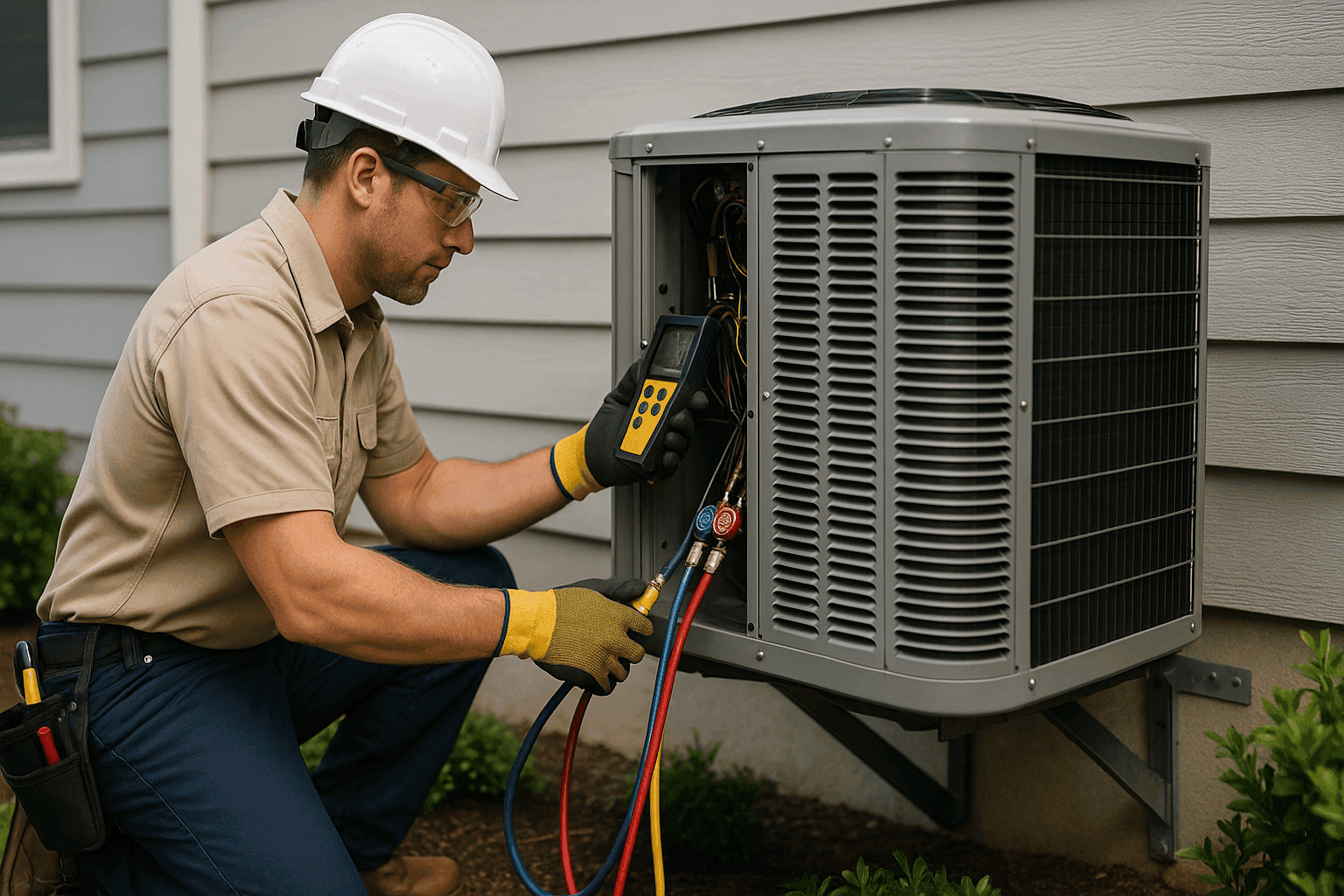
Is your AC acting up—right when you need it most? Maybe it’s a heatwave, a holiday weekend, or just another sweltering summer afternoon. The house feels sticky. The air stands still. The thermostat might as well be a decoration.
At Champion Hvac, we know what it’s like. AC problems never wait for a convenient time. But you’re not powerless. With a little know-how, you can spot the usual suspects, try safe fixes, and know when it’s time to call for emergency hvac help.
AC Not Cooling? 🥵
When your AC blows warm air or nothing at all, it’s like expecting a cold drink and getting lukewarm water. Here’s what to look for:
Symptoms
- Room temp stays high, even when AC is running
- Weak or no airflow from vents
- Thermostat set cold, but no relief
Easy Checks & Fixes
- Double-check the thermostat setting (set to “cool,” not just “on”)
- Replace air filters if they’re dirty
- Check the circuit breaker for tripped switches
- Clear debris from outdoor unit (leaves, sticks, grass)
Red Flags for DIY vs. Professional
- If you hear clicking, buzzing, or see ice on the unit, stop and call a pro
- Burning smells or repeated breaker trips? Unplug and don’t risk it
Why This Happens
- Clogged filters or blocked vents
- Low refrigerant (needs a licensed technician)
- Electrical issues or failing components
Authoritative Source: The U.S. Department of Energy recommends regular filter changes and professional inspection to keep cooling systems efficient and safe.
Strange Noises or Smells 🛑
Your AC should hum quietly, almost like a gentle background song. Weird noises—or odd smells—are your system’s way of waving a red flag.
Symptoms
- Grinding, squealing, banging, or rattling from indoor or outdoor units
- Musty, burning, or chemical odors
Quick Fixes
- Turn off the system right away if you smell burning
- Check for loose vents or panels
- Replace filters if you detect a musty odor
When to Call for Help
- Persistent noise after securing panels or replacing filters
- Any burning, electrical, or chemical smell—don’t wait
What’s Going On?
- Worn belts, loose parts, failing motors, mold growth, or electrical problems
Tip: According to the National Fire Protection Association, electrical issues are a leading cause of home fires. Don’t ignore burning smells.
Thermostat Issues 🎛️
Think of your thermostat as the steering wheel for your AC. If it’s off, everything else goes sideways.
Symptoms
- AC won’t start or stops randomly
- Room temperature doesn’t match thermostat reading
- Display is blank or flickering
Quick Checks
- Replace thermostat batteries (if applicable)
- Make sure it’s set to “cool” and the right temperature
- Inspect for dust or corrosion inside the thermostat
Red Flags
- Blank display after battery change
- AC still won’t start after resetting
Common Causes
- Dead batteries, faulty wiring, or old, outdated units
Note: Many newer thermostats need expert installation or calibration—especially if you have zoning or smart home systems.
Leaking or Water Problems 💧
A puddle by your indoor unit or dripping from vents means your AC is sweating more than it should.
Symptoms
- Water pooling under the air handler or near vents
- Damp drywall, ceiling stains, or musty smells
Quick Fixes
- Check and replace clogged air filters
- Ensure drain line isn’t blocked (you may gently flush with a bit of vinegar)
- Empty the drip pan if full
Red Flags
- Persistent leaks after filter and drain checks
- Water on electrical components—turn off power and call for help
Usual Suspects
- Blocked drain line, frozen coils, or cracked drain pans
Reference: The International Association of Certified Home Inspectors recommends clearing AC drain lines at least once a year.
Frozen Coils ❄️
Ice on your AC isn’t a cool trick. It’s a scream for help.
Symptoms
- Ice buildup on indoor or outdoor coils
- AC runs but barely cools
- Water leaks as ice melts
Quick Steps
- Turn off the AC and let it thaw completely
- Replace or clean air filters
- Open all vents for better airflow
Stop!
- Never chip away ice—it can damage coils
- If ice returns after filter change, call a pro
Why It Happens
- Low refrigerant, dirty coils, restricted airflow
Safety Note: Only licensed technicians are allowed to handle refrigerants, per EPA guidelines.
Weak Airflow 🌬️
If your AC feels like it’s sighing instead of blowing, airflow problems could be at play.
Symptoms
- Cool air barely trickles from vents
- Some rooms much warmer than others
- Noisy ducts or whistling sounds
Quick Fixes
- Replace dirty filters
- Ensure vents are open and unobstructed
- Check registers for dust buildup
Red Flags
- No improvement after filter and vent check
- Sudden drop in airflow with normal fan sound
Possible Causes
- Duct leaks, blower motor issues, blocked evaporator coil
Tip: The American Society of Heating, Refrigerating and Air-Conditioning Engineers (ASHRAE) recommends duct inspections to improve efficiency and indoor air quality.
When to Call a Pro ☎️
Some AC troubles are quick fixes. Others need a steady, trained hand.
Call Champion Hvac if:
- You hear buzzing, grinding, or see sparks
- Water leaks onto electrical parts
- Circuit breakers trip repeatedly
- Ice forms more than once
- Thermostat display stays blank after new batteries
Remember: Emergency hvac pros have specialized tools and training. They can handle refrigerants, electrical diagnostics, and deep system repairs—safely and by code.
Quick Safety Checklist
- Always turn off power at the breaker before opening panels
- Never touch refrigerant lines or electrical wiring
- Don’t climb on or dismantle outdoor units
- Keep children and pets away from work areas
DIY vs. Call a Pro
DIY-Friendly Tasks
- Changing filters
- Resetting breakers
- Adjusting thermostat settings
Call a Pro For
- Electrical or refrigerant issues
- Persistent leaks or ice
- Any burning smell or sparking
- No cooling after all basic checks
What Pros Do On Arrival
- Inspect and test electrical connections
- Measure refrigerant levels (EPA-certified only)
- Clean coils and drains
- Check air handler, blower, and ductwork
- Test system performance and calibrate thermostats
Prevention & Maintenance
- Change filters every 1–3 months (per manufacturer)
- Keep outdoor units clear of leaves and debris
- Schedule seasonal HVAC Maintenance (especially pre-summer and pre-winter)
- Ask about Home Energy Audits and Air Balancing for whole-house comfort
- For businesses or homes with commercial-grade systems: Consider Hood & Exhaust Installation near you for added safety and compliance
Costs & Time Factors
- Simple fixes (filters, thermostat batteries): Minutes and minimal cost
- Drain cleaning or coil thawing: 1–2 hours
- Major repairs (motors, refrigerant, electrical): Several hours, professional rates apply
- Emergency hvac service: Priority response, especially during heatwaves or holidays
When It’s an Emergency
- No cooling during extreme heat (especially for young children, elderly, or those with medical needs)
- Burning, electrical, or chemical odors
- Water leaks near wiring or electronics
- AC won’t turn on and it’s dangerously hot outside
If in doubt—err on the side of caution. Better a quick call than a costly repair or safety hazard.
AC Repair FAQ
Q: How often should I change my AC filter?
A: Every 1–3 months, depending on use and filter type.
Q: Is it okay to run the AC with frozen coils?
A: No. Shut it off, let it thaw, and check filters. If ice returns, call for service.
Q: Why does my AC smell musty?
A: Usually mold or mildew in the system. Replace filters and call for a professional cleaning if it persists.
Q: Can I add refrigerant myself?
A: No. Only EPA-certified technicians can handle refrigerants. DIY attempts can be dangerous and illegal.
Local & Seasonal Considerations
During heatwaves, AC repair calls spike. Emergency hvac appointments fill up fast—especially around July 4th, Labor Day, and back-to-school season. Plan ahead with regular HVAC Maintenance. If you live in areas with high pollen or dust, check filters more often—your AC works harder during heavy use.
When the heat’s on and your AC gives out, don’t sweat it alone. For fast, safe, and thorough emergency hvac help, Champion Hvac is ready—day or night.
Call Champion Hvac now — or reach us anytime at 844-482-3848 .