Geothermal Heating & Cooling: Savings, Pros, Cons, and Installation
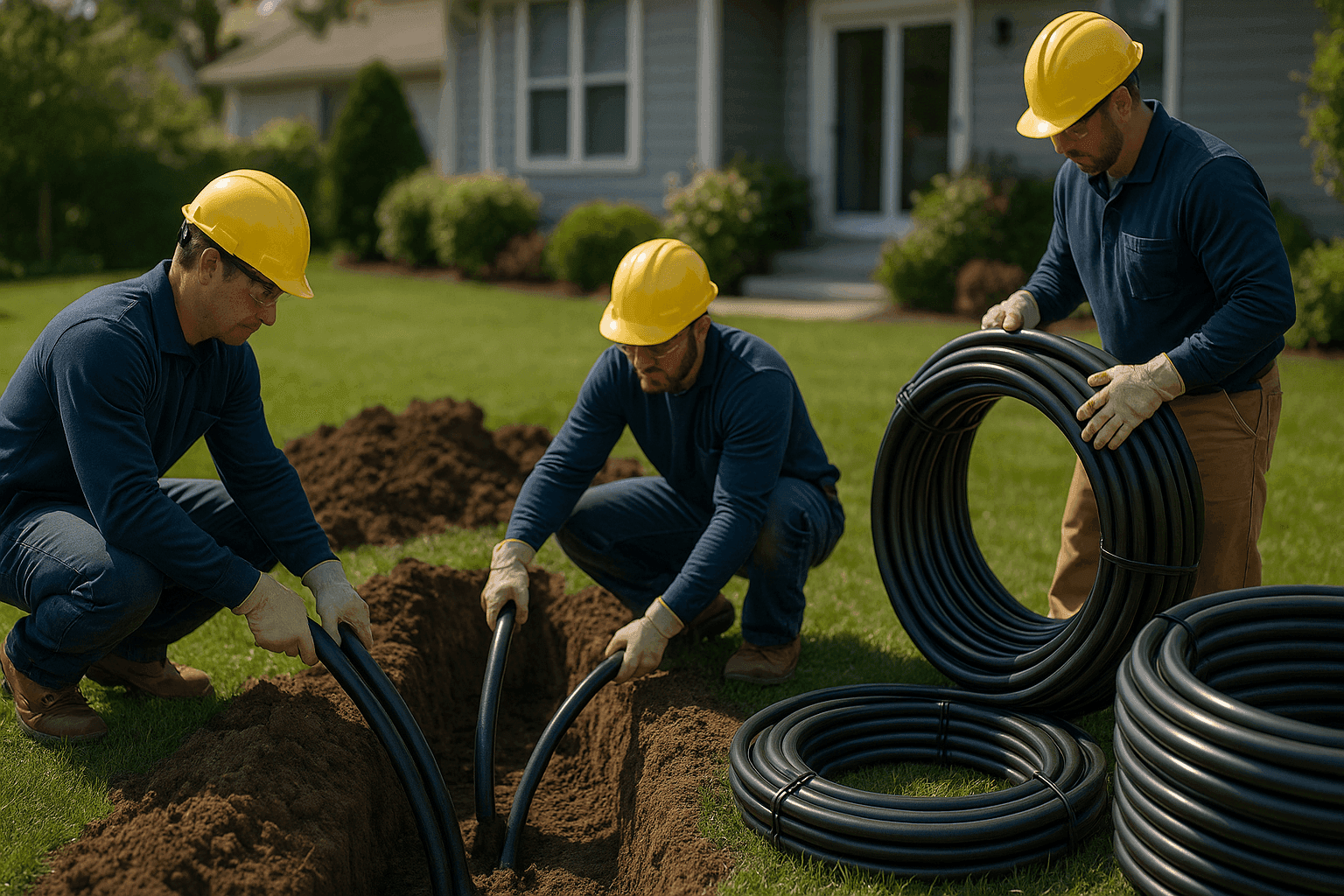
Sometimes, the air in your home just won’t cooperate. Too hot in summer, too cold in winter, and energy bills that seem to climb higher every year. You want a solution that works quietly in the background—efficiently, safely, and for the long haul.
Geothermal heating and cooling systems aren’t new, but they’re finally in the spotlight for homeowners who want real savings, stable comfort, and a cleaner footprint. As a 24/7 emergency hvac provider, Champion Hvac has helped families navigate this big decision. Here’s what you need to know.
What Is Geothermal HVAC? 🌎
Imagine tapping into the steady temperature below your feet—like borrowing the earth’s own blanket. That’s the magic behind geothermal HVAC.
Instead of creating heat or cold from scratch, a geothermal system moves it. Underground pipes (called loops) circulate fluid to absorb heat from the ground in winter and carry it into your home. In summer, the process reverses, moving heat out of your house and back into the earth.
Key parts of a geothermal system:
- Ground loop: Buried pipes filled with fluid
- Heat pump: Inside your home, transfers heat to and from the loop
- Distribution system: Ductwork or radiant floors that warm or cool your space
According to the U.S. Department of Energy (DOE), temperatures just a few feet below ground remain relatively constant all year—making geothermal one of the most reliable heating and cooling sources for residential homes.
How It Saves Money
Let’s cut to the chase: geothermal systems use far less energy than most traditional options.
- Efficiency: Geothermal heat pumps can deliver up to four units of energy for every unit used to power the system (EPA).
- Lower bills: Homeowners typically see 30–70% savings on heating and up to 50% on cooling compared to fossil fuel systems (DOE).
- Stable costs: No wild swings in fuel prices or utility rates.
It’s like trading in a gas-guzzling car for an electric one that rarely needs a fill-up. The upfront investment is real, but the payoff comes month after month.
Cost breakdown:
- Installation: $18,000–$35,000+ depending on home size, ground conditions, and loop type (DOE averages)
- Annual maintenance: $150–$500 (comparable to traditional HVAC)
- Payback period: Typically 5–10 years, depending on local energy prices and available incentives
Rebates and incentives:
Homeowners may qualify for federal tax credits (up to 30% of the system cost through 2032, per the IRS), plus state/local utility rebates. Always check current programs before you start.
Pros and Cons for Homeowners
Like every system, geothermal has bright spots—and a few shadows to watch for.
Pros
- Big energy savings over time
- Quiet operation (no noisy outdoor compressors)
- Long lifespan: Loops last 50+ years; indoor components 20–25 years
- Low maintenance: Fewer moving parts, less chance of breakdowns
- Eco-friendly: Lower greenhouse gas emissions
Cons
- Higher upfront cost than traditional systems
- Requires yard space for ground loops (drilling or trenching)
- Installation takes time: Not a quick weekend project
- Not ideal for every property: Rocky or limited land can complicate things
Installation Process
Swapping out your old furnace for geothermal isn’t like changing a filter. It’s a big project, but with the right team, it’s smooth sailing.
Step 1: Site Assessment & Home Energy Audit
Champion Hvac starts with a thorough look at your property. We’ll check:
- Soil conditions (rocky, sandy, or clay)
- Yard size and layout
- Existing ductwork and insulation
- Local climate patterns
A home energy audit (recommended by the DOE) helps pinpoint how much heating and cooling you really need—no guesswork.
Step 2: System Design
We’ll design a system that matches your home. Options include:
- Horizontal loops: Trenched in yards with enough space
- Vertical loops: Drilled deep in smaller or built-up lots
- Pond/lake loops: If you have a water source nearby
Step 3: Installation
- Excavation: Digging trenches or boreholes for the ground loop
- Loop placement: Pipes are installed, pressure-tested, and connected to your home
- Heat pump installation: Set up inside the house, linked to ductwork or radiant flooring
- System startup: Safety checks, calibration, and first run
Champion Hvac’s certified technicians follow all local codes and manufacturer guidelines. We handle everything from generator installation to indoor air quality checks if needed.
Step 4: Testing & Training
We’ll show you how to use your new system, check for even air balancing, and answer every question.
Installation timeline: Most projects take 2–4 weeks, depending on weather and site conditions.
Is Geothermal Right for You?
Not every home is a perfect fit, but many are—especially if you’re building new or replacing an aging system.
You’re a good candidate if:
- You plan to stay in your home for years to come
- You have enough yard or land for a ground loop
- Energy bills are high and old equipment needs replacing
- You want lower maintenance, fewer repairs, and peace of mind
Not sure? A quick site visit and home energy audit from Champion Hvac will give you clear answers.
Practical Tips for Homeowners
- Check eligibility for tax credits before starting. Rules change, so ask for up-to-date info.
- Keep landscaping in mind—installing loops means some yard disruption.
- Plan for 24 hour emergency service during and after installation, just in case.
Frequently Asked Questions
How long does a geothermal system last?
Loops can last 50 years or more; the indoor heat pump typically lasts 20–25 years (DOE/EPA data).
What maintenance is required?
Annual checks on fluid levels, filters, and connections—about the same as traditional HVAC. Champion Hvac offers routine HVAC maintenance and duct cleaning to keep things running smoothly.
Does geothermal work in cold climates?
Absolutely. The ground stays much warmer than winter air. Systems are sized for local conditions.
Can geothermal be installed in an existing home?
Yes, but installation is easier (and sometimes cheaper) with new construction or major renovations. Site assessment is key.
Local & Seasonal Considerations 🌱
Certain times of year are better for installation—spring and fall usually offer milder weather and easier scheduling. If you live in a region with hard freezes or rocky soil, expect the installation to take a bit longer.
Remember: code compliance matters. Champion Hvac follows all local building and safety codes, as well as EPA refrigerant handling guidelines.
Ready to explore geothermal, or need emergency hvac help—day or night?
Call Champion Hvac now — or reach us anytime at 844-482-3848 .