Home Energy Audit Checklist: How to Improve Comfort & Lower Bills
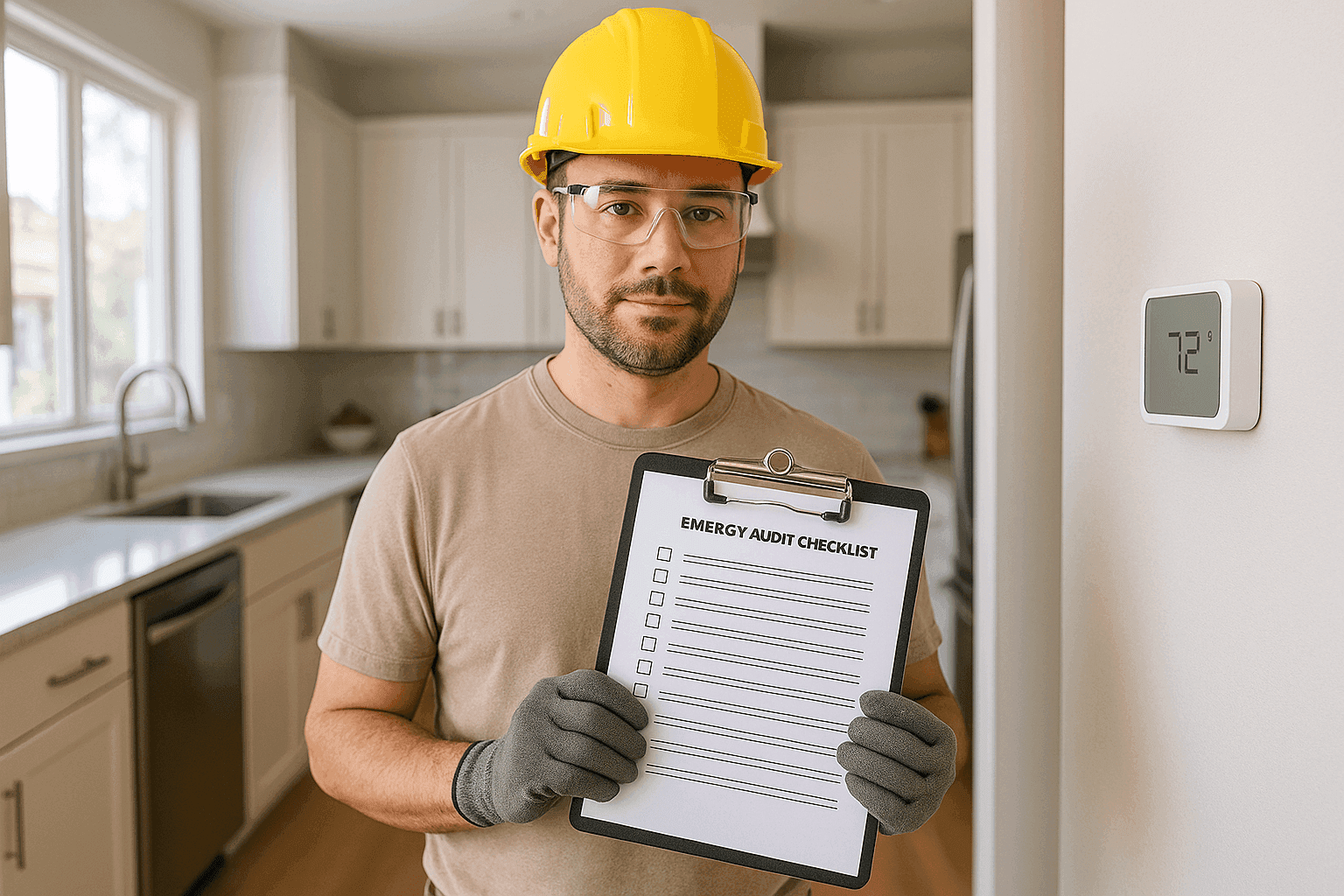
Is your house too hot in summer, yet chilly in winter? Do your energy bills keep climbing, even though you’re careful? You’re not alone. Many homeowners face these frustrations. At Champion Hvac, we know comfort matters—and so does saving money.
A home energy audit is like giving your house a physical. It spots hidden trouble and helps you breathe easier (literally and financially). Whether you’re in a drafty old cottage or a modern build, this checklist lays out simple steps to take control of your comfort and costs.
What Is a Home Energy Audit? 🏠
Think of a home energy audit as detective work for your house. It’s a careful look at where energy escapes, where systems strain, and what’s wasting your money. The process checks everything from attic insulation to duct leaks, windows to thermostats.
A thorough audit answers questions like:
- Are your ducts leaking air behind the walls?
- Is your insulation thick enough for your climate?
- Could your furnace or AC be robbing you blind?
ENERGY STAR, a trusted authority, recommends regular audits to find these leaks and weak spots. Many utilities even offer rebates or incentives for making improvements.
DIY Steps to Assess Your Home
You don’t need fancy tools to spot some of the biggest energy wasters. Here’s how to start your own audit:
1. Check for Drafts
Walk around windows, doors, and attic hatches with a damp hand or a lit incense stick. If you feel air or see smoke waver, you’ve found a leak.
- Use weatherstripping or caulk to seal up those gaps.
- Don’t forget baseboards and electrical outlets—these can act like tiny chimneys.
2. Inspect Attic and Wall Insulation
Peek in the attic. Insulation should be fluffy and fill the space evenly. If you see joists or the insulation is flat and crumbly, it’s probably time for more.
- Minimum recommended attic depth varies by climate, but usually 10–14 inches.
- Gaps mean heat (and dollars) escaping.
3. Examine Windows and Doors
Old, single-pane windows are like leaving a window cracked all winter. Feel for cold spots or condensation. If you spot them:
- Install plastic window film in winter or thermal curtains year-round.
- Consider upgrading to ENERGY STAR windows for long-term savings.
4. Test Thermostat Settings
Set your thermostat lower in winter and higher in summer—every degree matters. Programmable thermostats make this easy.
- The Department of Energy suggests 68°F in winter (when home) and 78°F in summer (when home).
- Lower at night or when away.
5. Look at Ducts and Vents
Are your ducts dusty, kinked, or disconnected? Is air blowing weakly from some vents? These are red flags.
- Duct tape is not a real fix—professional sealing is best.
- Make sure furniture isn’t blocking airflow.
Key HVAC Efficiency Checks
Your heating and cooling systems are the heart and lungs of your home. Keep them running smoothly with these checks:
Furnace and AC Filters
A clogged filter is like trying to breathe through a scarf. Change filters every 1–3 months, or more frequently if you have pets or allergies.
Air Scrubbers and IAQ Testing
Indoor Air Quality (IAQ) matters for comfort and health. If you notice dust, odd smells, or allergies worsening, consider an air scrubber or have professional IAQ testing done.
Duct Cleaning and Air Balancing
Dusty ducts waste energy and spread allergens. Duct cleaning and air balancing (adjusting airflow in each room) can make a big difference.
Radiant Heating and Mini-Splits
Check that radiant floors or mini-split systems are heating evenly. Cold spots could mean leaks or faulty equipment.
Whole-House Fans and Ventilation
These help in moderate climates. Make sure fans and hood/exhaust installations near you are free of debris and working when needed.
Common Energy Wasters
Even well-meaning homeowners miss these sneaky culprits:
- Old, inefficient furnaces or AC units
- Gaps around attic hatches, recessed lights, or plumbing pipes
- Humidifiers or dehumidifiers running non-stop
- Poorly sealed or uninsulated ducts (especially in attics or garages)
- Outdated thermostats or ones in direct sunlight
- Generator maintenance lapses leading to outages and higher energy spikes
ENERGY STAR and local energy codes set standards for efficiency. Following them doesn’t just save money—it makes your home safer.
When to Call a Pro
Some problems hide where you can’t see—or require special tools. Call a professional like Champion Hvac if:
- Your bills spike suddenly, but your habits haven’t changed.
- Rooms are always too hot or cold, no matter what you do.
- You hear rattling, squeaking, or smell burning from HVAC units.
- You suspect carbon monoxide or unsafe conditions (call emergency HVAC immediately).
A pro uses blower doors, infrared cameras, and more. They’ll find leaks, test air flow, and suggest fixes you might miss.
How Pros Do a Home Energy Audit
Here’s what to expect if you schedule a professional audit:
- Visual inspection of insulation, windows, and doors
- Blower door test to find leaks (using a big fan to lower pressure and spot drafts)
- Infrared camera scan to see cold spots in walls and ceilings
- Combustion safety check for furnaces, water heaters, and generators
- Duct leakage test to find hidden escapes
- Air balancing and system efficiency checks
Your auditor will suggest fixes—sometimes small (like sealing ducts), sometimes bigger (like adding attic insulation or upgrading equipment).
Practical Tips for Every Climate
- In cold climates, prioritize attic insulation and sealing drafts.
- In hot, humid areas, focus on duct sealing and dehumidification.
- Use ceiling fans to move air, but turn them off when you leave the room.
- Schedule regular heating and AC maintenance (at least once a year).
- Clean or replace filters frequently, especially after wildfires or high pollen seasons.
Local and Seasonal Considerations 🌦️
Energy needs change with the seasons. Here’s what to watch for:
- Spring: Check AC system, clean ducts, test air scrubbers.
- Summer: Inspect attic insulation, window leaks, and thermostat settings.
- Fall: Furnace filter change, generator maintenance, and carbon monoxide alarms.
- Winter: Look for drafts, add insulation, and monitor humidity.
Some local utilities offer rebates for energy audits or upgrades—ask about incentives when you call.
FAQ: Home Energy Audits
Q: How often should I have an energy audit?
A: Every 3–5 years, or after major home changes (like additions or new HVAC equipment).
Q: Will a home energy audit save me money?
A: Most homeowners see significant savings—especially after fixing leaks and upgrading insulation.
Q: Is it safe to do my own energy audit?
A: Yes, for basic checks like drafts and insulation. For anything involving wiring, gas lines, or major appliances, call a pro.
Q: What does “emergency HVAC” mean?
A: It’s when heating, cooling, or ventilation stops working suddenly—especially in extreme weather. Champion Hvac offers 24-hour emergency HVAC help, so you’re never left in the cold (or heat).
If your comfort or bills are out of control, don’t wait. A home energy audit is the first step to breathing easier and saving more. Call Champion Hvac now — or reach us anytime at 844-482-3848 .