How to Improve Indoor Air Quality: Proven Solutions for Your Home
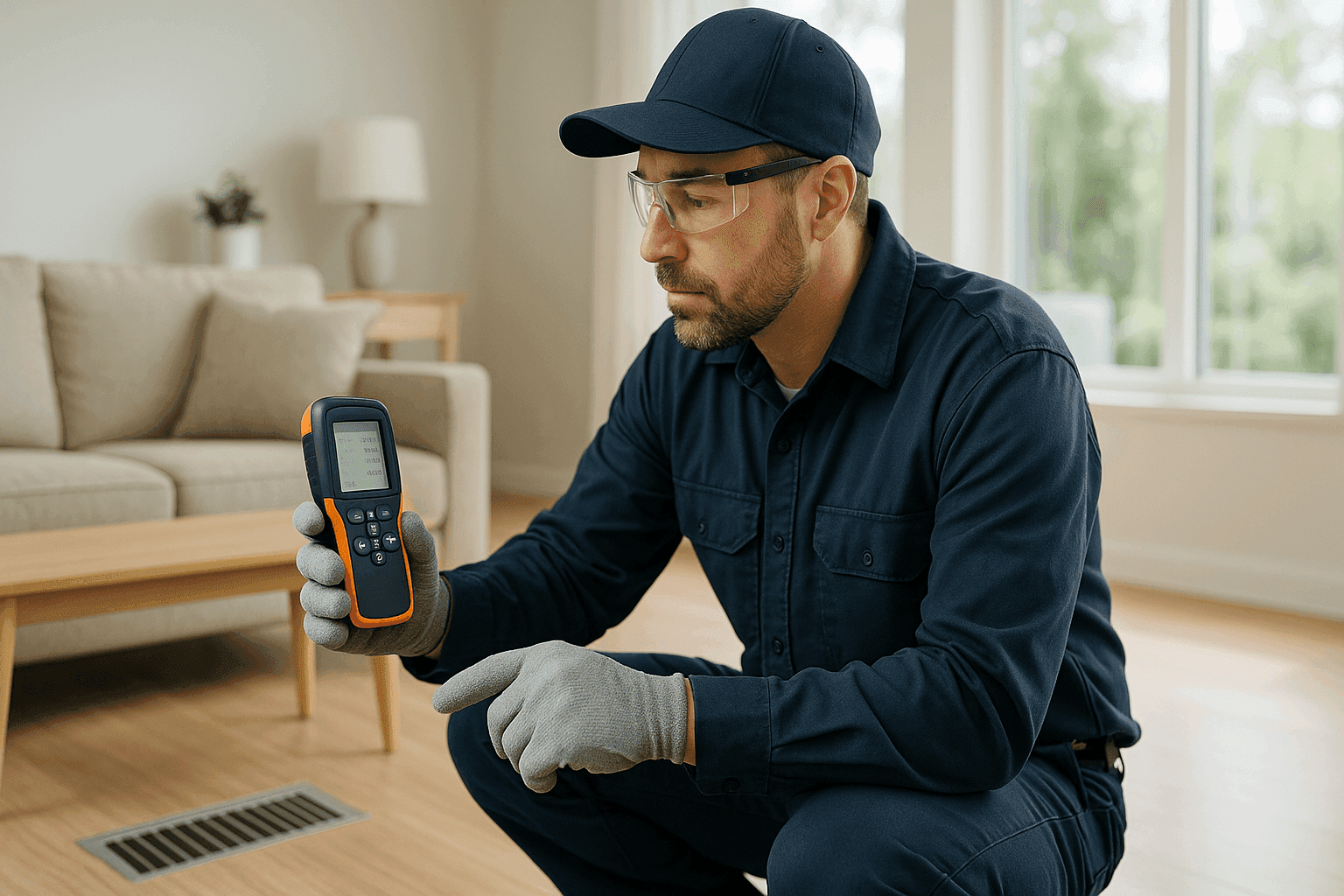
Is the air in your home as clean as you think? Every breath you take indoors can shape your health, comfort, and peace of mind. At Champion Hvac, we see it every day: families struggling with allergies, odd smells, or that heavy, “stale” feeling in the air.
Worried about what’s floating around inside your home? You should be. But you’re not powerless. The right steps—backed by science, code, and real-world results—can transform the air you and your family breathe. Let’s break down what really works.
What Is Indoor Air Quality (IAQ)? 🌬️
Indoor Air Quality, or IAQ, is like the weather forecast inside your home. It measures how clean, fresh, and healthy your air is. Think of it as the “invisible ingredient” to comfort and well-being.
Why IAQ Matters
- Health: Poor IAQ can trigger headaches, allergies, asthma, and fatigue—especially in children, seniors, and anyone with breathing issues.
- Comfort: Air that’s too dry, too humid, or full of dust never feels right.
- Home Value: Clean air protects your home’s structure, HVAC system, and even your electronics from dust and excess moisture.
The U.S. Environmental Protection Agency (EPA) ranks indoor air pollution as a top five environmental health risk. Most people spend 90% of their lives indoors—so this isn’t just trivia. It’s a daily reality.
Hidden Sources of Indoor Pollution
The culprits aren’t always obvious. Pollution doesn’t just seep in from outside; it’s often produced right under your nose.
Common Indoor Pollutants
- Dust and Pet Dander: Lurking in carpets, bedding, and upholstery.
- Mold: Grows in damp spots—bathrooms, basements, even inside ductwork.
- Volatile Organic Compounds (VOCs): Released by paints, cleaning supplies, and new furniture.
- Combustion Byproducts: Smoke from stoves, fireplaces, or malfunctioning furnaces.
- Cooking Fumes: Grease, smoke, and particulates from your kitchen—especially without proper hood & exhaust installation.
Even everyday chores can kick up pollutants. Vacuuming, painting, or lighting candles all add to the mix.
Best IAQ Solutions for Your Home
Let’s cut through the noise. Here are proven solutions that Champion Hvac recommends and installs for homes just like yours.
1. High-Quality Filtration
Filters are the unsung heroes of your HVAC system. They trap dust, pollen, and particles before they can circulate.
- MERV Ratings: The higher the rating, the better the filtration. Most homes do best with MERV 8–13 filters.
- HEPA Filters: Even finer filtration for severe allergies or respiratory concerns.
- Whole-System Filters: Installed directly into your HVAC for maximum coverage.
2. Air Scrubbers
Air scrubbers go beyond filters. They actively clean the air, breaking down odors, chemicals, and even some bacteria. Think of them as room-sized air “washing machines”—scrubbing away what filters can’t catch.
- UV Air Purifiers: Use ultraviolet light to neutralize germs.
- Photocatalytic Oxidation (PCO): Tackles odors and VOCs at the molecular level.
3. Humidifiers and Dehumidifiers
Air that’s too dry cracks your skin and furniture. Too humid, and you risk mold.
- Humidifiers: Add moisture in winter or dry climates.
- Dehumidifiers: Remove excess water in basements or muggy seasons.
- Whole-Home Solutions: Connected to your HVAC for balanced comfort everywhere.
4. Duct Cleaning
Dust, mold spores, and allergens love to hide in ducts. Regular duct cleaning (by a certified emergency hvac team) ensures your system isn’t blowing pollutants from room to room.
- Code Note: The National Air Duct Cleaners Association (NADCA) recommends cleaning every 3–5 years—more often if you have pets or recent renovations.
5. Ventilation
Fresh air in, stale air out. That’s the heart of ventilation.
- Hood & Exhaust Installation near you: Pulls out cooking fumes and moisture.
- Whole-House Fans: Circulate fresh air quickly, especially in spring and fall.
- Mechanical Ventilation: Keeps airflow balanced when windows stay closed.
6. IAQ Testing
Don’t guess—test. Champion Hvac offers professional indoor air quality (IAQ) testing, using EPA-recommended protocols.
- What’s measured: Particulates, VOCs, humidity, and more.
- Who needs it: Anyone with allergies, asthma, unexplained symptoms, or homes with recent renovations.
How Often to Change Filters
This one’s simple, but often overlooked. Filters are like the lint trap in your dryer—ignore them, and everything works harder (and worse).
- Standard filters: Change every 1–3 months.
- HEPA or high-MERV: Check monthly. Replace as needed.
- Pet owners, smokers, or high-dust homes: Change more often.
Set a calendar reminder. Or, time it with the seasons—spring, summer, fall, winter.
When to Test IAQ
You don’t need to wait for a crisis. Good times to schedule indoor air quality testing include:
- Before moving into a new home
- After renovations, painting, or new furniture
- Seasonal allergy spikes
- When persistent odors, headaches, or respiratory symptoms appear
- Annually, as part of regular HVAC maintenance
The EPA recommends routine checks, especially in homes with kids, seniors, or anyone with chronic health issues. Like a smoke detector for your air—if you never check, you’ll never know.
Health Benefits: Allergy & Asthma Relief
Clean air doesn’t just feel better. It can make a real difference for anyone with allergies, asthma, or compromised immune systems.
- Fewer triggers: Less pollen, dust, and mold means easier breathing.
- Better sleep: Clean air reduces nighttime coughing and congestion.
- More energy: No more “stuffed up” mornings.
Regular maintenance and filtration have been shown to reduce airborne allergens and improve quality of life for sensitive individuals (source: American Lung Association).
The Role of Regular HVAC Maintenance
Think of your HVAC system as the lungs of your home. When it’s clean and maintained, everything runs smoother—air is fresher, filters last longer, and energy bills drop.
What’s Included
- AC and furnace inspection
- Duct cleaning
- Filter changes
- Thermostat checks
- Whole-system air balancing
Champion Hvac’s emergency hvac technicians follow manufacturer guidelines and industry best practices, ensuring every part of your system works together for peak IAQ.
Quick Safety Checklist
- Change HVAC filters regularly
- Use a hood & exhaust fan when cooking
- Check humidity—aim for 30–50%
- Clean or replace air scrubbers as recommended
- Schedule annual HVAC maintenance
- Inspect for visible mold or dampness
Small steps, big difference.
DIY vs. Call a Pro
Some fixes are easy. Others need a trained hand.
DIY
- Change filters
- Wipe down vents and registers
- Use a portable dehumidifier/humidifier
- Open windows for cross-ventilation (when outdoor air is clean)
Call a Pro
- IAQ testing and analysis
- Air scrubber installation
- Whole-home humidifiers or dehumidifiers
- Duct cleaning and sealing
- HVAC system upgrades or emergency hvac repairs
When in doubt, ask. The cost of a mistake (like mold in the ducts or a miswired system) is much steeper than a service call.
What Pros Do On Arrival
Champion Hvac technicians show up ready to diagnose and solve. Here’s what you can expect:
- Assess your home’s unique air quality needs
- Test for particulates, VOCs, humidity, and airflow
- Inspect HVAC system, filters, and ductwork
- Recommend solutions tailored to your space (not one-size-fits-all)
- Follow safety codes and EPA recommendations
We bring the tools—and the know-how.
Prevention & Maintenance
Routine care is the best defense.
- Schedule annual HVAC tune-ups
- Inspect for leaks, mold, and blockages
- Clean ducts every 3–5 years
- Consider IAQ testing as part of your maintenance plan
- Upgrade filters and add air scrubbers if needed
Don’t wait for a problem to start before you act.
Costs & Time Factors
How much will it cost? How long will it take? Here’s what to expect:
- Filter replacement: Inexpensive, takes minutes
- Duct cleaning: Typically a few hours, cost varies by home size
- IAQ testing: 1–3 hours, fee based on home and tests required
- Air scrubber or humidifier installation: Half a day to a full day for most homes
- Full system upgrade: More time and investment, but pays off in comfort and health
Remember, investing in clean air protects your health—and your HVAC system.
When It’s an Emergency
Some air quality problems can’t wait.
- Sudden, persistent burning smell
- Mold outbreak or visible growth
- Symptoms like dizziness, headaches, or trouble breathing
- HVAC breakdown in extreme weather
Champion Hvac offers 24 hour emergency hvac service. One call, and you’ll have help on the way.
FAQ
How can I tell if my air quality is poor?
Look for persistent odors, visible dust, mold, or frequent allergy symptoms. Professional IAQ testing gives a clear answer.
Do air purifiers really help?
Yes, especially models with HEPA filters or air scrubbers. They remove pollutants that basic filters miss.
How often should I clean my ducts?
Every 3–5 years, or sooner if you have pets, allergies, or recent renovations (per NADCA guidelines).
Is regular HVAC maintenance necessary if I change my filters?
Absolutely. Filters are only one part; full system checks catch issues you can’t see.
Local and Seasonal Considerations
Air quality challenges shift with the seasons.
- Spring: Pollen and dust—change filters more often.
- Summer: Humidity and mold—check dehumidifiers.
- Fall: Leaf debris—inspect outdoor units and ducts.
- Winter: Dry air—consider a humidifier and check for carbon monoxide leaks.
Home in a wildfire-prone area? Use high-efficiency filters and keep doors/windows closed during smoke events.
Ready to Breathe Easier?
Take the first step toward a healthier home. Clean, fresh air is possible—with the right plan and the right team.
Call Champion Hvac now — or reach us anytime at 844-482-3848 .