Mini-Splits vs. Central Air: Which Cooling System Is Best for You?
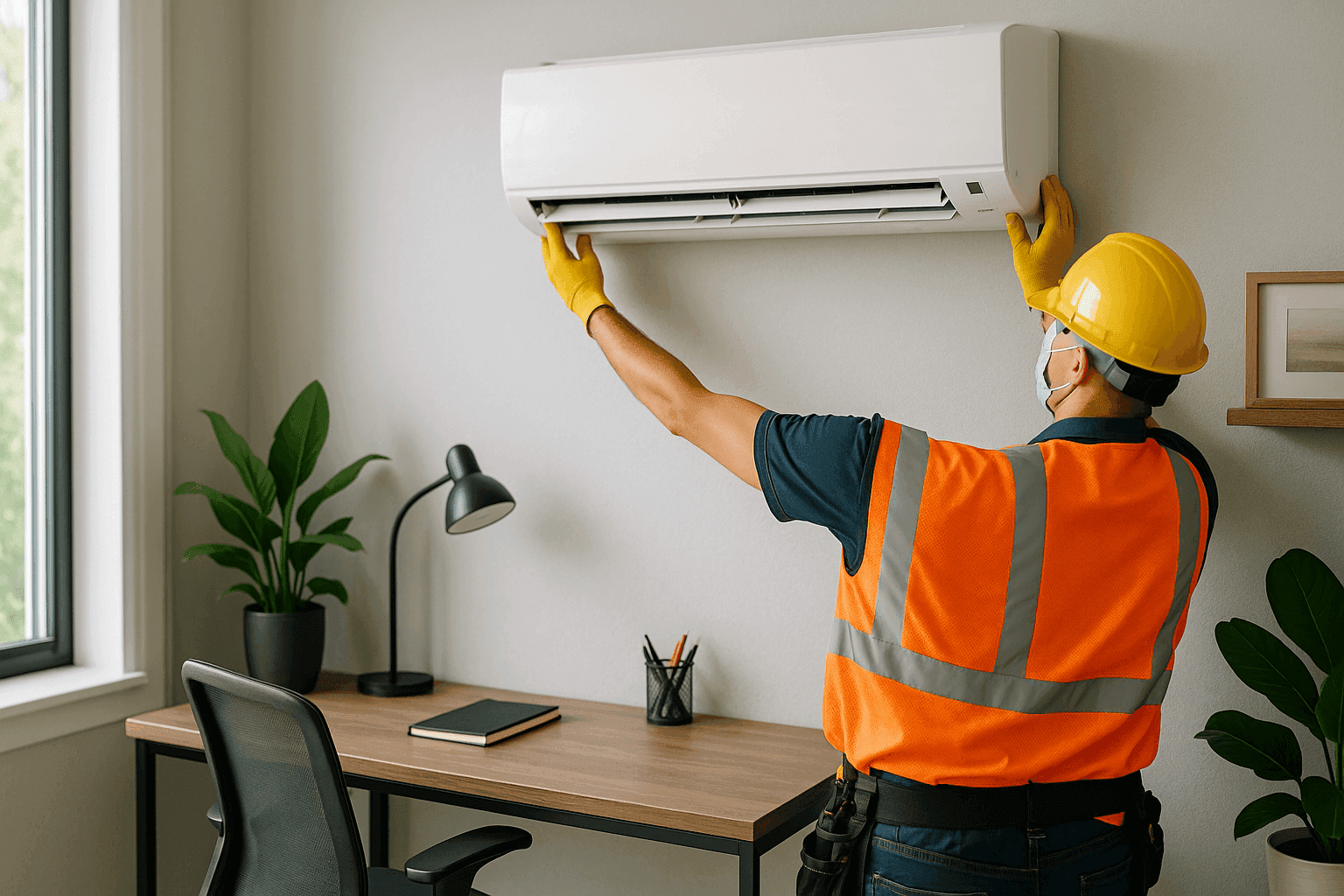
When summer heat hits, your home’s comfort shouldn’t be a gamble. But when it comes to cooling solutions, choosing between ductless mini-splits and central air can feel like picking between apples and oranges. The stakes are even higher when you need emergency hvac help on a sweltering night or after a long day at work.
At Champion Hvac, we help homeowners find cooling systems that fit their homes, budgets, and lifestyles. If you’re staring at sticky walls or sweating through your shirt, you’ve come to the right place for clear answers.
How Each System Works
Let’s break it down—no jargon, just real talk.
Mini-Splits: Cool Where You Need It
Think of mini-splits as the “targeted” approach. These ductless systems use an outdoor condenser and one or more indoor air handlers. Each air handler cools a specific room, like a precision tool. No ducts, no fuss. You can set each room to its own temperature—like everyone in your family having their own remote for movie night.
Central Air: Whole-Home Comfort
Central air is the “all-in-one” blanket. Cool air moves through a network of ducts, reaching every room at once. There’s a single thermostat to control the whole system—simple, unified cooling. Central air is often tucked away, invisible except for the vents.
Pros and Cons
Every system has its perks and its quirks. Here’s how they stack up.
Mini-Splits
Pros:
- No ducts needed (great for older homes or additions)
- Zoning—set different temps in each room
- Often more energy efficient (no duct losses)
- Quieter indoors—no big blower in the closet
Cons:
- Each unit is visible on the wall or ceiling
- Higher upfront install cost per room if zoning everywhere
- Regular filter cleaning needed
Central Air
Pros:
- Discreet—vents blend into walls and floors
- One thermostat for whole-home simplicity
- Adds value for resale in many markets
- Can use existing ductwork
Cons:
- Air can lose coolness (and efficiency) in leaky or old ducts
- Harder to zone—usually one temp for the whole house
- Duct cleaning and maintenance required
Cost to Install and Operate
Money matters. Here’s what to expect.
- Mini-splits: Installing a single-zone system for one room can run $3,000–$5,000. Multi-zone setups (cooling several rooms) climb to $8,000–$15,000, depending on home size and layout. Operating costs are usually lower—Energy Star notes mini-splits can save up to 30% on cooling bills compared to window units.
- Central air: A new system with ducts averages $8,000–$15,000 for a typical home. If you already have ducts, it’s often less—$5,000–$8,000. Operating costs depend on insulation, duct condition, and system age.
Tip: Poor insulation or leaky ducts? You’ll pay more to keep cool, no matter the system.
Which Homes Benefit Most
Let’s make it personal—your home is unique.
Mini-splits shine in:
- Homes without existing ducts (think historic houses)
- Additions, garages, and workshops
- Spaces where you want custom comfort (nurseries, home offices)
Central air fits best in:
- Homes with existing ductwork in good shape
- Open concept spaces wanting uniform temperatures
- Larger homes where running many mini-splits would be costly
How to Choose: A Decision Matrix
Here’s a quick way to think it through:
- No ducts, older home, or recent addition? Mini-split.
- Existing ducts and want whole-home simplicity? Central air.
- Need different temps in different rooms? Mini-split zones.
- Resale value a priority? Central air’s a safe bet.
Common Myths (Busted)
- “Mini-splits don’t work in cold climates.” Modern models heat and cool—even in freezing weather.
- “Central air is always cheaper.” Depends on your ducts and energy rates.
- “Ductless means ugly.” Today’s designs blend in, and ceiling-mounted options are available.
Special Notes for Older Homes & Additions 🏠
If your house predates disco or your new sunroom feels like a sauna, mini-splits might be your best friend. Why? No need to snake bulky ducts through plaster or brick. For historic homes, this means preserving character—and comfort.
Quick Safety Checklist
Before you pick a system, pause. Safety and long-term satisfaction go hand in hand.
- Check if your electrical panel can support a new system (consult a licensed electrician)
- Ask about refrigerant types—newer, eco-friendly options are safer
- Make sure installation meets local building codes (see International Residential Code guidelines)
- Never block vents or air handlers with furniture or curtains
DIY vs. Call a Pro
Installing a cooling system isn’t like hanging a shelf. Refrigerant lines, electrical work, and code compliance all matter. DIY mistakes can void warranties—or worse, cause fires or leaks.
When in doubt, call Champion Hvac. Our licensed techs handle everything—so your comfort (and safety) aren’t left to chance.
What Pros Do On Arrival
When our team arrives, here’s what happens:
- Inspect your home’s layout, insulation, and electrical panel
- Assess your cooling needs—room by room if needed
- Check existing ductwork (if any) for leaks, mold, or blockages
- Size the system (oversized = wasted energy, undersized = poor comfort)
- Provide a clear, written estimate
Prevention & Maintenance
A well-maintained system lasts longer and costs less to run.
- Change filters (or clean mini-split screens) every 1–3 months
- Schedule annual tune-ups—catch small issues before they snowball
- Keep outdoor units clear of debris, leaves, and snow
- Seal and insulate ducts (for central air)
The U.S. Department of Energy recommends annual HVAC inspections and filter changes for best efficiency.
Costs & Time Factors
- Mini-split install: 1–2 days for one unit, up to a week for multi-room
- Central air install: 1–3 days with existing ducts, longer if new ducts needed
- Maintenance: $100–$300/year for pro checkups
- Energy bills: Expect to save if replacing a window unit or ancient central air
Remember: emergencies cost more. Night or weekend repairs (especially for emergency hvac needs) add to the bill.
When It’s an Emergency
If your AC breaks during a heatwave or your furnace fails in the dead of winter, speed matters. Signs it’s an emergency:
- No cooling or heating, and outside temps are extreme
- Burning smells, sparks, or leaks
- System won’t turn on at all
Call for 24 hour emergency hvac service. Don’t try to DIY a fix—your safety comes first.
FAQ
Q: Will a mini-split cool my whole house?
A: Yes, if you install multiple indoor units to cover each area. One unit won’t cool the whole space.
Q: Can I install central air in an old home?
A: Usually, but you may need custom ductwork. Mini-splits are often less invasive.
Q: How long do these systems last?
A: Both central air and mini-splits last 12–20 years with regular maintenance.
Q: Are there rebates or incentives?
A: Many states and utilities offer rebates for high-efficiency systems. Check the ENERGY STAR website and your local energy provider.
Local/Seasonal Considerations 🌡️
If you live where summers are scorching and winters bite, look for systems rated for both heating and cooling—many mini-splits now do both. For wildfire or allergy-prone regions, consider systems with advanced filtration or pair with air scrubbers for better indoor air quality.
Homeowners in humid climates might want dehumidifiers as part of their system. In dry regions, humidifiers can help, too.
The Champion Hvac Difference
No matter your choice—mini-split or central air—Champion Hvac brings decades of installation experience to every home. We handle everything from Hood & Exhaust Installation near you to emergency hvac repairs at midnight. Our team is trained to spot risks, maximize comfort, and explain every step.
Ready to stop sweating the details? Cooling comfort is just a call away.
Call Champion Hvac now — or reach us anytime at 844-482-3848 .