How to Prevent HVAC Breakdowns During Extreme Weather
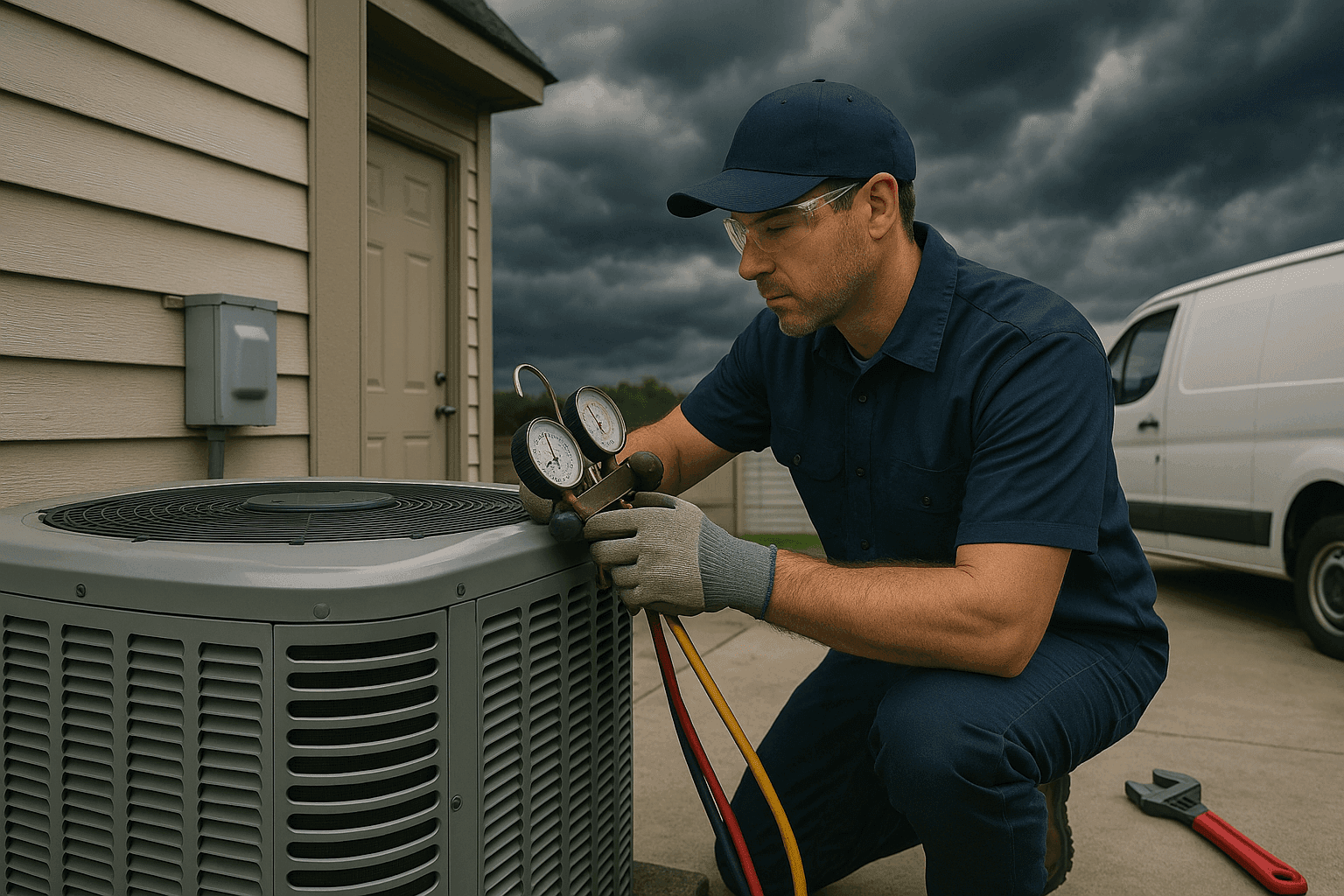
When the temperature outside swings from freezing to blazing, your HVAC system becomes your home’s unsung hero. But what happens when it falters right when you need it most? That’s a scenario no one wants—especially during a heatwave, deep freeze, or sudden storm.
At Champion Hvac, we know firsthand how quickly a minor issue can become a full-blown emergency. Our 24/7 emergency hvac services have helped countless homeowners and small business owners stay safe and comfortable, even when the weather throws its worst at your doorstep.
Understanding the Risks of Extreme Weather on HVAC Systems 🌡️
Extreme weather is like a stress test for your HVAC system. When temperatures soar or plummet, your equipment works overtime. But just like a marathon runner, if your system isn’t prepared, it might not cross the finish line.
Here’s where things can go wrong:
- Frozen or Overheated Components: Cold snaps can freeze coils; heatwaves can overwork compressors.
- Power Surges and Outages: Storms can knock out power, leaving your system vulnerable to sudden shutdowns or surges.
- Blocked Vents and Ducts: Heavy rain, snow, or debris can clog outdoor units or block airflow.
- Thermostat Malfunctions: Sudden changes can cause sensors to fail or misread temperatures.
- Drainage Issues: High humidity or melting snow can overwhelm condensate lines, leading to leaks or water damage.
A study by the U.S. Department of Energy shows that neglected HVAC systems are far more likely to break down during periods of extreme weather. Prevention is key.
Seasonal Maintenance Checklist
Think of this as your HVAC’s “pre-game warmup.” A few simple steps can help your system handle whatever the forecast brings.
- Change Air Filters: Every 1–3 months, or more often if you have pets or allergies.
- Inspect Ductwork: Look for visible leaks, gaps, or blockages. Even a small hole can reduce efficiency.
- Clean Vents and Registers: Remove dust and debris to keep air flowing freely.
- Test Thermostat: Make sure it’s reading accurately and responds quickly to adjustments.
- Check Outdoor Units: Clear away leaves, snow, and debris. Keep at least two feet of space around the unit.
- Examine Drain Lines: Ensure condensate lines are clear and draining properly.
- Schedule Professional Maintenance: Annual tune-ups help catch small problems before they become emergencies.
The Air Conditioning Contractors of America (ACCA) recommends these steps for reliable performance and safety.
Emergency Preparedness Tips
Mother Nature doesn’t send a warning text. But you can be ready.
- Backup Power: Consider a generator installation to keep your system running during outages.
- Know Your Emergency Contacts: Save Champion Hvac’s number in your phone—you don’t want to search during a crisis.
- Install Surge Protectors: Protect sensitive electronics and HVAC controls from voltage spikes.
- Monitor System Alerts: Many modern thermostats and HVAC systems offer alerts for maintenance or malfunctions.
- Have a Plan: Know how to shut off your system safely if needed. Teach household members or employees what to do if something seems off.
Signs Your HVAC Needs Immediate Attention
Sometimes your system whispers before it screams. Catching these early warning signs can save you from a breakdown:
- Unusual Noises: Clanking, banging, or screeching aren’t normal.
- Short Cycling: System turns on and off rapidly, struggling to maintain temperature.
- Weak Airflow: Rooms feel stuffy, or air barely comes out of vents.
- Unresponsive Thermostat: Settings don’t match actual room temperature.
- Strange Smells: Burning, musty, or chemical odors can signal trouble.
- Water Leaks: Puddles around your indoor or outdoor units are a red flag.
If you notice any of these, it’s time to call for emergency hvac service—don’t wait for total failure.
DIY vs. Call a Pro
There’s plenty you can do yourself, but some jobs are best left to the pros.
DIY Tasks:
- Change filters
- Clean vents and registers
- Clear debris from outdoor units
- Reset circuit breakers
Call a Pro For:
- Refrigerant leaks or low cooling/heating output
- Electrical issues or frequent breaker trips
- Persistent strange noises or smells
- Complex thermostat problems
- Annual maintenance and safety checks
Champion Hvac’s technicians are trained to handle emergencies safely and efficiently, following Occupational Safety and Health Administration (OSHA) and National Fire Protection Association (NFPA) guidelines.
What Pros Do On Arrival
When you call Champion Hvac for emergency service, here’s what to expect:
- Thorough Inspection: We check all system components, from filters to compressors.
- Safety Checks: Ensure electrical and gas connections are secure and within code.
- Diagnostics: Identify the root cause of the issue—no guesswork.
- Immediate Repairs: Get your system back online, fast.
- Preventive Advice: Tips to avoid future breakdowns and keep your system healthy.
Our team arrives ready for anything, day or night, rain or shine.
Prevention & Maintenance
An ounce of prevention is worth a pound of repairs. Regular maintenance can extend your system’s life, improve indoor air quality, and lower energy bills.
- Schedule Biannual Checkups: Once before heating season, once before cooling season.
- Upgrade Thermostats: Smart thermostats can help balance comfort and efficiency.
- Consider Air Quality Upgrades: Air scrubbers, dehumidifiers, and advanced filters can help your system work less and last longer.
- Seal Ducts: Properly sealed ducts prevent energy loss and reduce wear.
- Balance Airflow: Professional air balancing ensures every room stays comfortable.
The Environmental Protection Agency (EPA) recommends regular filter changes and duct cleaning for optimal indoor air quality.
Costs & Time Factors
HVAC emergencies rarely happen at a convenient time. The cost and time to fix them can vary:
- Minor Issues: Replacing a thermostat or clearing a blocked drain can take under an hour.
- Major Repairs: Compressor or blower motor issues may take several hours or require special parts.
- Emergency Service: After-hours or holiday calls may cost more, but preventing damage is worth it.
Routine maintenance is almost always less expensive than emergency repairs—and it saves you the stress of a midnight breakdown.
When It’s an Emergency
Not sure if it’s a true emergency? Here’s when to pick up the phone—immediately:
- No heat during a freeze, especially with infants, elderly, or vulnerable people present
- No cooling during a heatwave
- Electrical burning smells or visible sparks
- Flooding or water leaks from your HVAC system
- Carbon monoxide alarms sounding (leave the building and call emergency services first)
Champion Hvac is available 24/7 for emergency hvac calls. Your safety and comfort are always our priority.
FAQ
How often should I change my air filter?
Every 1–3 months. More often if you have pets, allergies, or a lot of dust.
Can I run my HVAC during a power outage with a generator?
Yes, if your generator is properly sized and installed. Always consult a licensed electrician or HVAC technician.
What’s the best way to prepare my HVAC for a storm?
Turn off the system if flooding or lightning is expected, clear debris from outdoor units, and make sure surge protection is in place.
How do I know if my HVAC system is protected against extreme weather?
Regular professional maintenance and inspections are the best way to ensure your system can handle whatever the weather brings.
Special Considerations for This Service
Extreme weather puts unique stress on every part of your HVAC system. If you rely on specialized equipment—like mini-splits, geothermal systems, or whole-house fans—make sure your technician is experienced with those models. Always use certified professionals who follow current safety codes (like those from the American Society of Heating, Refrigerating and Air-Conditioning Engineers, or ASHRAE).
A well-maintained HVAC system is like a good umbrella: You don’t always think about it, but you’re sure glad you have it when the storm hits.
Call Champion Hvac now — or reach us anytime at 844-482-3848 .