Radiant Heating Systems: Pros, Cons, Costs & Best Uses
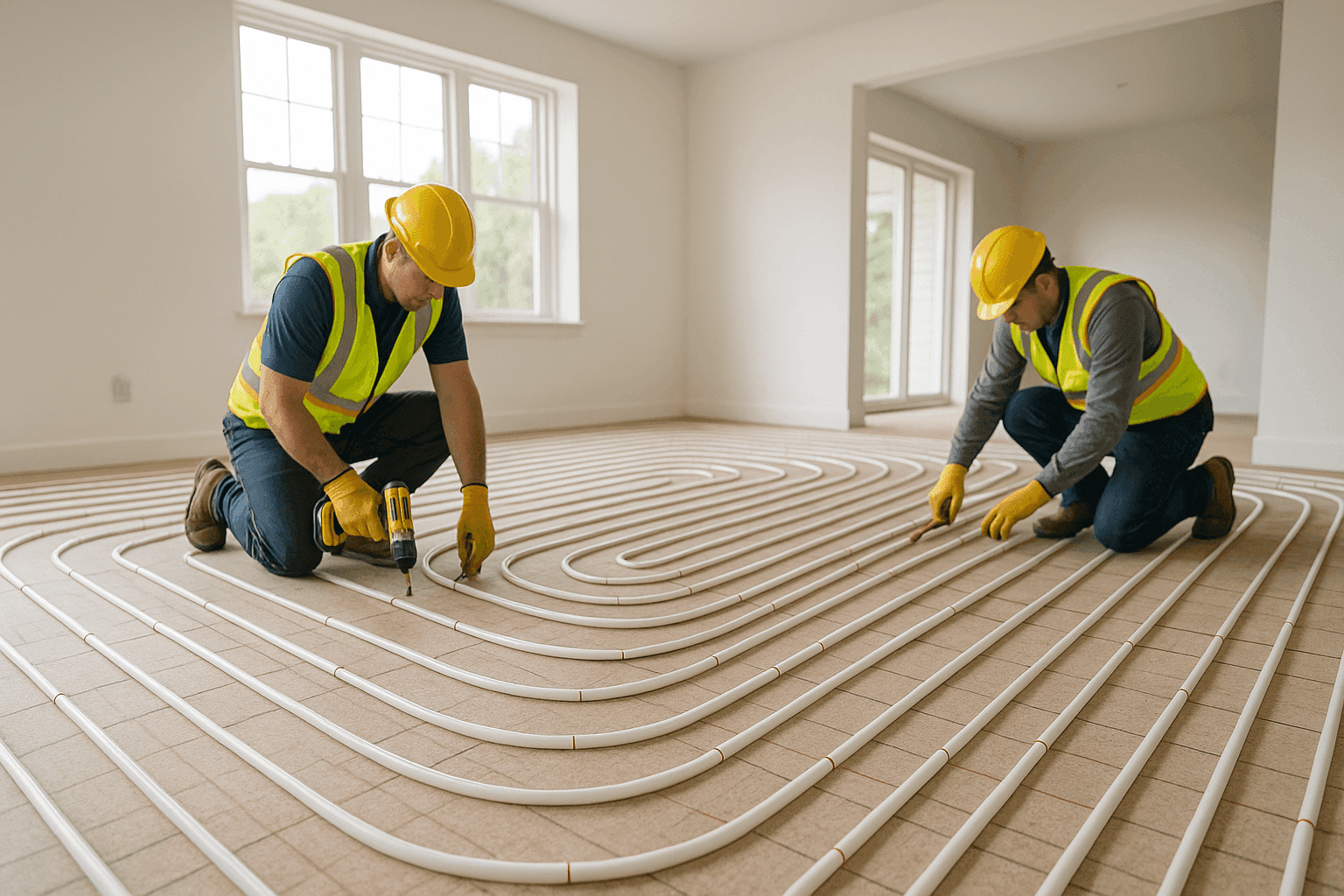
Are your feet cold, even when the thermostat says it’s warm? Tired of noisy vents and uneven heat? You’re not alone—many homeowners are searching for a better way to keep their homes cozy, especially during those bone-chilling months.
Radiant heating systems promise comfort that wraps around you like a favorite blanket. But before you rip up the floors or call for emergency hvac help, it pays to know what’s involved. Champion Hvac brings decades of experience to homes just like yours, guiding families through every step—from questions to installation and beyond.
What Is Radiant Heating?
Think of radiant heating as the sun streaming through your window on a winter morning. Instead of blowing hot air, radiant systems warm surfaces—floors, walls, or ceilings—which then gently radiate heat throughout the room. You stand, sit, or walk, and the warmth rises up to greet you. No blowing dust. No dry air. Just steady, gentle comfort.
There are two main ways this warmth gets delivered:
- Heated water tubes (hydronic systems) under your floors or behind walls.
- Electric heating cables or mats beneath surfaces.
Radiant heat’s secret? It uses infrared energy—like the sun, but indoors and on demand.
Types of Radiant Systems 🏠
Radiant heating isn’t one-size-fits-all. Champion Hvac offers several types, each with unique strengths.
Hydronic Radiant Floor Heating
Picture thin tubes carrying warm water beneath your floors. This is the most common and energy-efficient type. It can run off a boiler, water heater, or even solar panels. Great for whole-house heating or large zones.
Electric Radiant Floor Heating
Imagine a network of electric cables or mats beneath your bathroom tile. Flip a switch, and your toes are toasty in minutes. Best for small spaces, remodels, or spot heating.
Radiant Panels
Wall or ceiling panels heat up and radiate warmth into the room. Quicker to install than floor systems, but usually heat smaller areas.
Pros and Cons for Homeowners
Every system has tradeoffs. Here’s what to weigh before calling for HVAC installation or emergency hvac repairs.
Pros
- Consistent Comfort: Even heat, no cold spots—every step feels like a heated spa floor.
- Silent Operation: No more clanking ducts or humming vents.
- Cleaner Air: No blowing dust or allergens. Great for families with allergies.
- Energy Efficiency: Especially hydronic systems—lower operating costs over time.
- Zoned Control: Warm just the rooms you use.
Cons
- Upfront Cost: Installation, especially in existing homes, can be pricey.
- Slow Response: Takes time to heat up (and cool down).
- Flooring Limitations: Works best with tile, stone, or concrete. Carpet slows the effect.
- Access for Repairs: Fixing leaks or faults may require opening up floors.
Installation and Operating Costs 💸
Sticker shock is real, so let’s break it down—no surprises.
Upfront Installation Costs
- Hydronic Floor Systems: $10–$25 per square foot for new construction; $15–$35 for retrofits.
- Electric Systems: $5–$15 per square foot, typically less for small rooms.
- Radiant Panels: $200–$500 per panel (plus wiring/labor).
Complex layouts, thick subfloors, or “Hood & Exhaust Installation near you” for kitchens can increase costs.
Operating Costs
- Hydronic: Lower monthly bills, especially with efficient boilers or solar assist.
- Electric: Higher cost to run, especially if heating large spaces.
- Maintenance: Hydronic systems need annual checks. Electric systems are nearly maintenance-free.
Long-Term Savings
Radiant systems can pay off in lower energy bills—especially in well-insulated homes. Energy.gov and the International Association of Certified Home Inspectors (InterNACHI) both note potential 10–30% savings over forced air.
Where Radiant Heating Works Best
Not every home or room is a fit for radiant. Here’s where it shines:
- Bathrooms: No more icy tiles on winter mornings.
- Kitchens: Warm floors make cooking more pleasant.
- Basements: Keeps lower levels dry and cozy.
- Open Living Spaces: Even, reliable comfort.
Radiant is ideal for new builds or major remodels, but can be retrofitted—just expect more labor and cost.
Radiant vs. Forced Air: The Big Debate
Forced air is common. Radiant is different. Here’s how they stack up:
- Air Quality: Radiant wins—no ducts to collect dust or spread allergens.
- Comfort: Radiant delivers even warmth; forced air can leave cold spots.
- Cooling: Forced air can double as AC; radiant is heat-only, so you’ll still need AC for summer.
- Maintenance: Forced air needs regular duct cleaning; radiant (hydronic) needs annual checks.
Key Pricing Factors
What moves the needle on cost?
- Home Size and Layout: More square footage, higher cost.
- Flooring Type: Tile or concrete works best; carpet or wood may need extra prep.
- Existing Infrastructure: New builds are easier; retrofits mean more labor.
- Local Labor Rates: Prices range by region and demand for emergency hvac pros.
- Energy Source: Natural gas, propane, or electricity? Each affects your monthly bill.
Maintenance Tips & Safety Checklist 🛠️
Keep your radiant system running like new with these steps:
- Annual Inspection: Schedule pro maintenance—check for leaks, pump health, and pressure (hydronic).
- Check Thermostats: Test controls before winter.
- Look for Cold Spots: Uneven heating may signal a hidden issue.
- Follow Manufacturer’s Guidelines: Always use qualified installers and reference the International Residential Code (IRC) for safety.
- Keep Floors Clear: Don’t place thick rugs or furniture over heating zones.
DIY vs. Call a Pro
Installing radiant heating isn’t a weekend project. It’s more like rewiring your home—not something to wing with a YouTube tutorial.
- DIY: Electric mats in a small bathroom? Maybe, if you’re handy and follow electrical codes.
- Pro Required: Hydronic systems, large areas, or any project tied to your main heat source. Call Champion Hvac or another licensed emergency hvac provider.
What Pros Do On Arrival
Expect a thorough process:
- Assess your home’s layout, insulation, and existing systems.
- Recommend the right type—hydronic vs. electric, zones, and controls.
- Safely install tubing, wires, panels, and controls per local code.
- Test for leaks, pressure, and proper function.
- Walk you through system operation and maintenance basics.
Prevention & Maintenance
Want your radiant system to last? Here’s how:
- Schedule Yearly Service: Especially for hydronic systems, to catch leaks or pump issues early.
- Monitor Pressure: A sudden drop may mean a leak—call for emergency hvac help if you spot this.
- Flush System (Hydronic): Prevents mineral buildup.
- Upgrade Thermostats: Smart controls can save energy and increase comfort.
- Change Filters: For systems tied to boilers, keep filters fresh.
Costs & Time Factors
No two homes are alike, but here’s a sense of what to expect:
- Small Room (Bathroom): 1–2 days, $800–$2,500 (electric).
- Whole Home (New Build): 1–3 weeks, $20,000–$50,000+ (hydronic).
- Retrofit: Add 20–50% for labor, floor removal, and repairs.
Remember—code compliance and safety inspections add time but protect your investment.
When It’s an Emergency
Radiant systems rarely fail suddenly, but when they do, it can be serious—especially in winter.
- No Heat: Could be a pump, thermostat, or power issue. For hydronic systems, a leak can cause water damage.
- Unusual Noises: Gurgling or banging may signal trapped air or pump trouble.
- Major Leak: Shut off water and power. Call emergency hvac service right away.
Champion Hvac’s 24 hour emergency service stands ready—because heat can’t wait.
FAQ
Is radiant heating safe for kids and pets?
Yes—surfaces don’t get dangerously hot, and there are no exposed flames or heating elements.
Can radiant heating replace my furnace?
In many homes, yes. But you’ll still need AC for summer cooling.
Will it work with hardwood floors?
Yes, but wood species and installation method matter. Some woods can warp with rapid temperature swings.
How long does a radiant system last?
Hydronic tubing can last 30–50 years; electric mats, 20+ years. Boilers and controls may need replacement sooner.
Local and Seasonal Considerations 🌦️
Radiant heating is a game-changer in cold climates, where winters are long and harsh. In milder regions, it’s a luxury—perfect for bathrooms or chilly basements. If you’re considering radiant and “Hood & Exhaust Installation near you,” factor in local fuel costs, code requirements, and how often you’ll use the heat.
Before you leap, talk to a licensed HVAC pro familiar with local codes and weather patterns.
Ready to feel true comfort? Call Champion Hvac now — or reach us anytime at 844-482-3848 .